
Key Takeaways:
- True emergencies like fires, gas leaks, flooding, and lockouts require immediate action within hours, while routine repairs can wait for business hours and scheduled contractor visits.
- A clear decision framework based on tenant safety, property damage risk, and code compliance helps you respond appropriately without overreacting to every maintenance call.
- After-hours maintenance decisions become easier when you have a vetted network of licensed contractors and a property manager who handles the heavy lifting 24 hours a day, 7 days a week.
Owning a rental property often means dealing with maintenance calls at inconvenient hours. A tenant may report a dripping ceiling at 9 p.m. or a heating failure at 6 a.m., leaving you to decide whether the issue requires immediate attention or can wait until business hours.
Delaying a true emergency can lead to property damage, and potential landlord liability, while treating every routine repair as an emergency can quickly increase costs.
This guide from Draper Realty explains how to distinguish emergencies from urgent but non-emergency repairs and how Norman property owners can handle after-hours maintenance.
Do you need help managing your investment property?
What Qualifies as a True Emergency?
A true emergency is a condition that creates an immediate safety risk, threatens serious property damage, or creates a habitability issue under Oklahoma law.
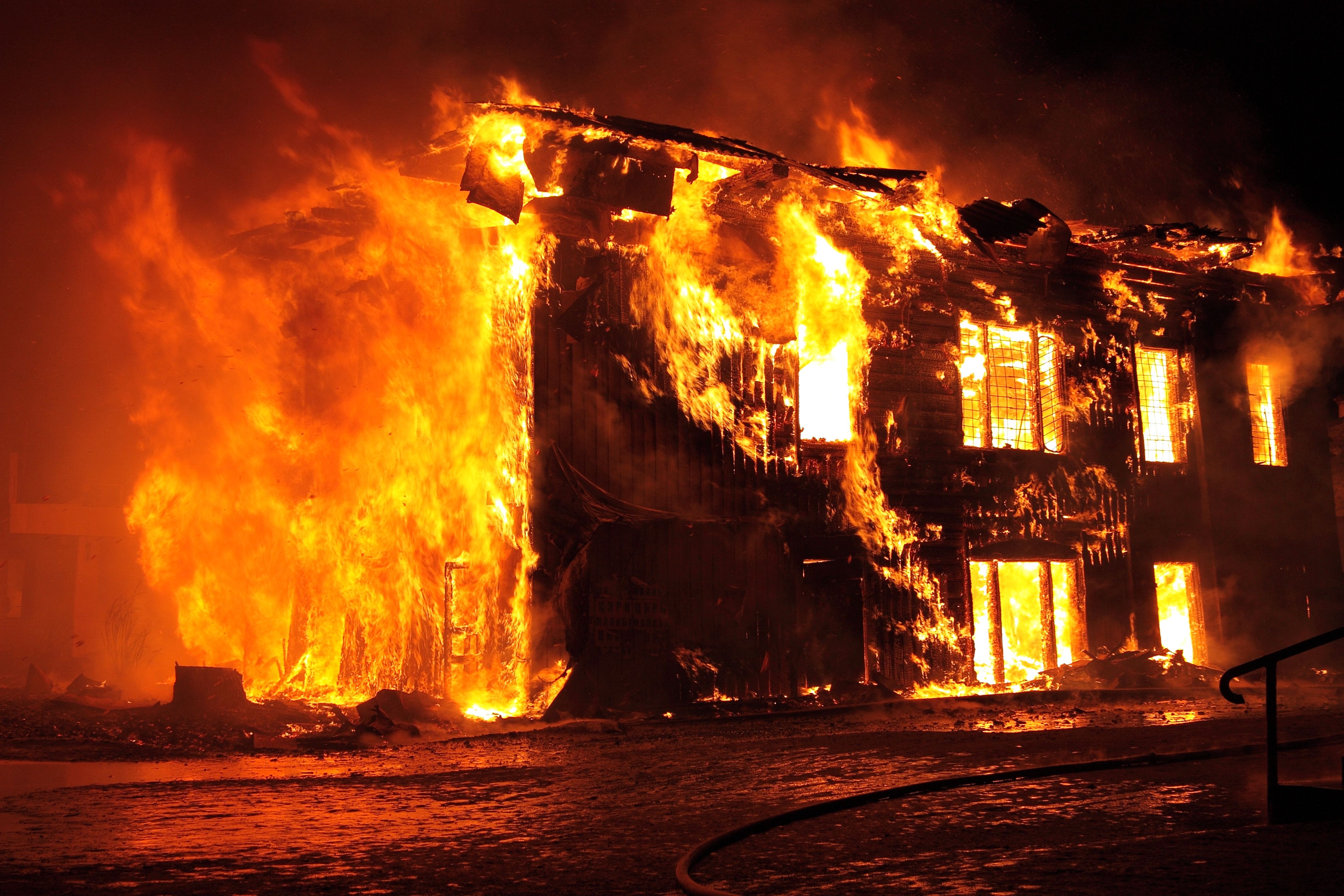
Fire and Smoke
Active fire, flames, or heavy smoke requires an immediate call to 911. Do not wait for a contractor to respond. Notify your insurance company as appropriate after the immediate danger is addressed.
Gas Leaks
A gas smell or hissing sound near a furnace, water heater, or stove should be treated as a life-safety emergency. Contact the local gas utility company and follow its emergency instructions.
Flooding or Major Water Intrusion
Burst pipes, significant ceiling leaks, standing water, or major water intrusion can quickly damage flooring, drywall, and insulation. Contact a water mitigation company immediately to stop the source, remove standing water, and begin drying the property.
No Heat in Winter
A complete loss of heat during cold weather can become a habitability and safety issue. If the property has no functioning heat during winter, contact an HVAC professional promptly rather than waiting for normal business hours.
No Water or Sewage Backup
A complete loss of running water or sewage backing up into the property requires immediate plumbing attention. Both conditions can create health and habitability concerns.
Lockouts
A tenant who cannot access the rental may need a same-day locksmith.
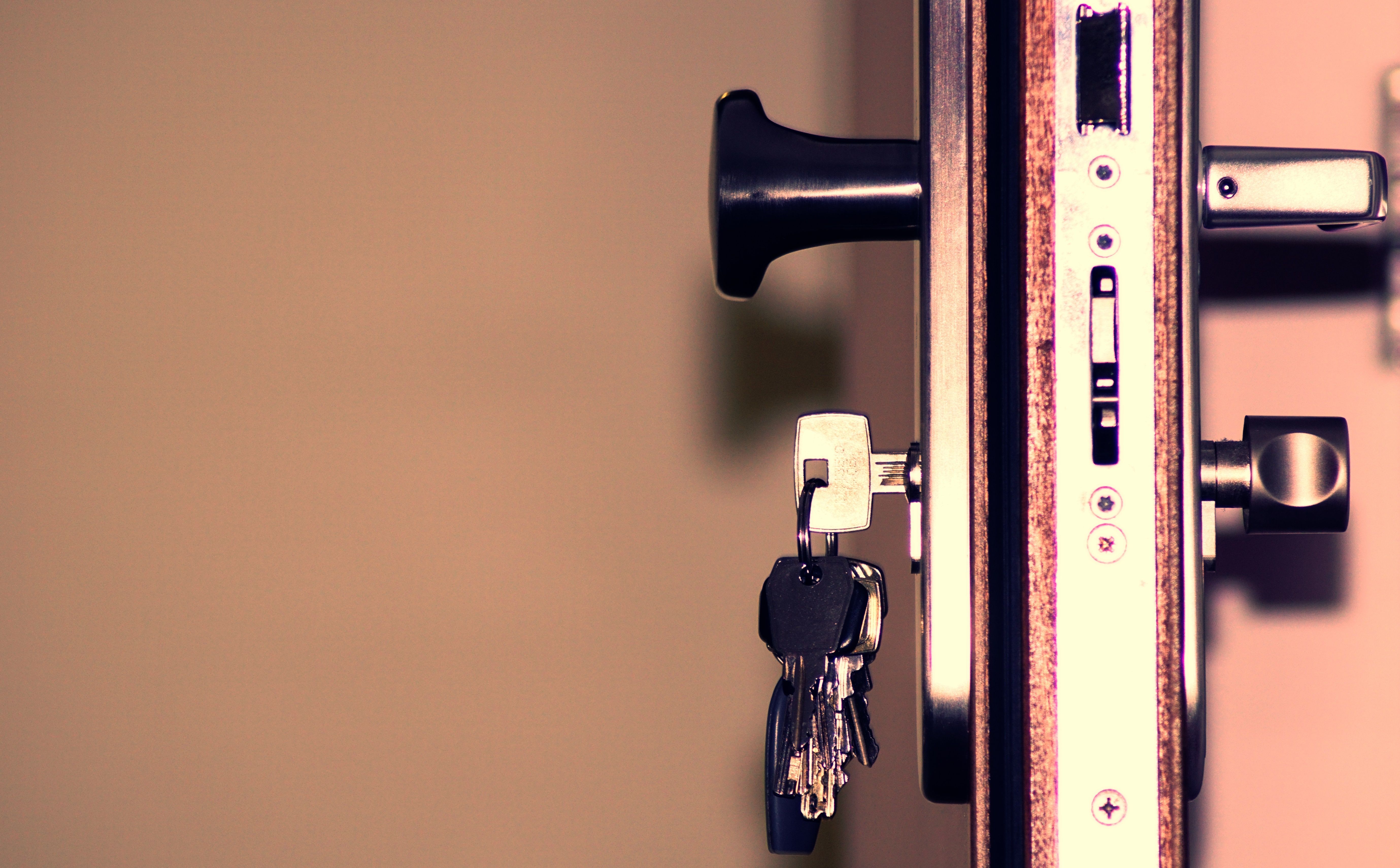
Although a lockout is generally less serious than fire or flooding, prompt response can prevent the situation from becoming a larger tenant-service issue.
Electrical Hazards
Sparks, burning smells near an electrical panel, or exposed wiring can create fire and shock hazards. Tell the tenant to avoid the affected area and contact a licensed electrician.
Do you need help managing your investment property?
What Is Urgent but Not an Emergency?
Not every maintenance request requires an after-hours contractor. Many issues can be scheduled during normal business hours, generally within one to three business days.
Minor Plumbing Problems
A dripping faucet, slow drain, or running toilet wastes water but typically does not create an immediate safety threat. Schedule a plumber during business hours unless the problem escalates to significant water damage.
Partial Heating Loss
If the furnace operates but one room is colder than others, the issue is generally uncomfortable rather than an emergency. Schedule HVAC service promptly. A complete loss of heat during winter requires a faster response.
Appliance Failure
A broken refrigerator, stove, or dishwasher is inconvenient but generally does not require an emergency response. If the appliance belongs to the landlord and is included with the rental, schedule repair or replacement according to the lease and applicable requirements.
Minor Roof Leaks
A small ceiling stain or slow leak can usually be scheduled during business hours if the weather is dry and the damage is not spreading.

An active leak during severe weather may require same-day attention to prevent additional damage.
Broken Windows or Doors
Cracked windows, stuck doors, and broken doorknobs should be addressed promptly, particularly when they affect property security. A completely shattered window or another condition creating an immediate safety hazard should be treated more urgently.
Pest or Cosmetic Issues
Ants, spiders, minor pest problems, peeling paint, small drywall cracks, and worn flooring generally do not require after-hours service unless the condition creates a significant health or safety concern.
A Three-Question Emergency Framework
When a tenant calls after hours, ask these three questions:
1. Is someone in immediate danger?
Fire, gas leaks, electrical hazards, major flooding, and certain heating failures can create immediate safety risks.
2. Could waiting cause serious property damage?
Active water intrusion, sewage backups, and significant roof leaks can become substantially more expensive if ignored.
3. Does the condition create a habitability problem?
A complete loss of heat, water, or functioning plumbing may require prompt action under Oklahoma requirements.
If the answer to any question is yes, treat the issue as an emergency and respond accordingly. If all three answers are no, the repair can generally be scheduled during normal business hours.
Handling After-Hours Emergencies
Property owners typically have three options: contact a 24-hour contractor, contact their property manager, or call emergency services when the situation involves fire, gas, or another immediate public-safety concern in Norman.

If you work with a property manager, the manager can receive the call, assess the situation, coordinate the appropriate contractor, and keep you informed.
Draper Realty handles after-hours maintenance and emergency response for owners who want to avoid managing these calls themselves.
Build Your Contractor Network Before You Need It
Self-managing owners should establish relationships with several licensed professionals before an emergency occurs. Your network should include an HVAC technician, plumber, electrician, and general handyman who can handle issues such as locks, windows, and minor repairs.
Ask each contractor about after-hours availability and additional emergency fees.
Keep their contact information readily accessible and document emergency calls, repair costs, and completed work. Photos, invoices, and communication records can also help with insurance claims or tenant disputes.
Protecting Your Property and Your Investment
Document every maintenance request, your response, contractor communications, repairs, and costs. Good records demonstrate that you took reasonable action and help you track recurring property problems.
For accidental landlords and small-portfolio owners, the challenge is often knowing what requires immediate attention and finding the right contractor when something goes wrong at night.
Professional property management can take over that responsibility, allowing owners to focus on the investment rather than answering maintenance calls around the clock.
Conclusion
After-hours maintenance decisions generally come down to three questions: Is someone in danger? Could waiting cause serious property damage? Does the condition create a habitability concern?
Fire, gas leaks, major flooding, electrical hazards, sewage backups, and winter heating failures require prompt attention. Routine problems such as dripping faucets, minor appliance failures, and cosmetic damage can generally wait for scheduled service.
Whether you self-manage or hire professional help, having a clear response process and reliable contractor network can protect your property, reduce unnecessary expenses, and make rental ownership easier.
Draper Realty can handle emergency and after-hours maintenance for Norman property owners who want to hand off the 24/7 responsibility.
Do you need help managing your investment property?
Frequently Asked Questions About Emergency Maintenance for Rentals
What Is the Difference Between Emergency and Routine Maintenance?
Emergency maintenance creates an immediate safety risk, threatens significant property damage, or involves a serious habitability concern. Fire, gas leaks, major flooding, loss of essential services, and hazardous electrical problems require prompt attention.
Routine issues such as dripping faucets, minor roof leaks, appliance problems, and cosmetic damage can generally be scheduled during business hours. The key questions are whether someone is in immediate danger and whether delaying repairs could cause serious damage.
How Quickly Do I Need to Respond to a Maintenance Emergency in Oklahoma?
Oklahoma law does not establish one universal response time for every maintenance emergency. Instead, landlords are generally expected to address serious conditions as promptly as the circumstances require.
For example, a condition that makes a property uninhabitable or creates an imminent health or safety threat may give a tenant certain remedies if it is not addressed promptly.
Can a Tenant Break the Lease if I Don't Respond to an Emergency?
Potentially. Oklahoma law provides tenants with remedies when a landlord fails to address certain serious conditions, including situations involving essential services or conditions that make a dwelling uninhabitable or pose an imminent health or safety threat.
Depending on the circumstances, remedies can include termination of the rental agreement, substitute housing, or recovery of certain costs.
What Should I Do if My Tenant Calls With an After-Hours Maintenance Issue?
First, determine whether anyone is in danger, whether waiting could cause significant property damage, or whether the condition creates a serious habitability concern.
For emergencies, contact the appropriate emergency service or contractor, or your property manager if you use one. Routine repairs can generally be scheduled for the next business day. Document the tenant's report, your response, and any repairs completed.
Why Do Property Managers Handle After-Hours Maintenance?
Professional property managers can coordinate emergency calls, maintain contractor relationships, and determine how quickly an issue needs attention.
Draper Realty provides after-hours maintenance coordination for owners who want to avoid handling contractor calls and emergency decisions themselves. This can make maintenance easier to manage, particularly for owners who do not live near their rental properties.